
 Language


- Aircrafts(111)
- scale: 1:32(80)
- scale: 1:48(25)
- scale: 1:24(4)
- scale 1:72(4)
- Masks(50)
- Decals(21)
- Accessories(21)
- Books(1)
- New products
- Products on sale
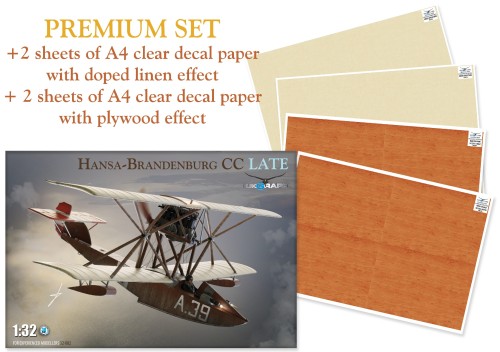
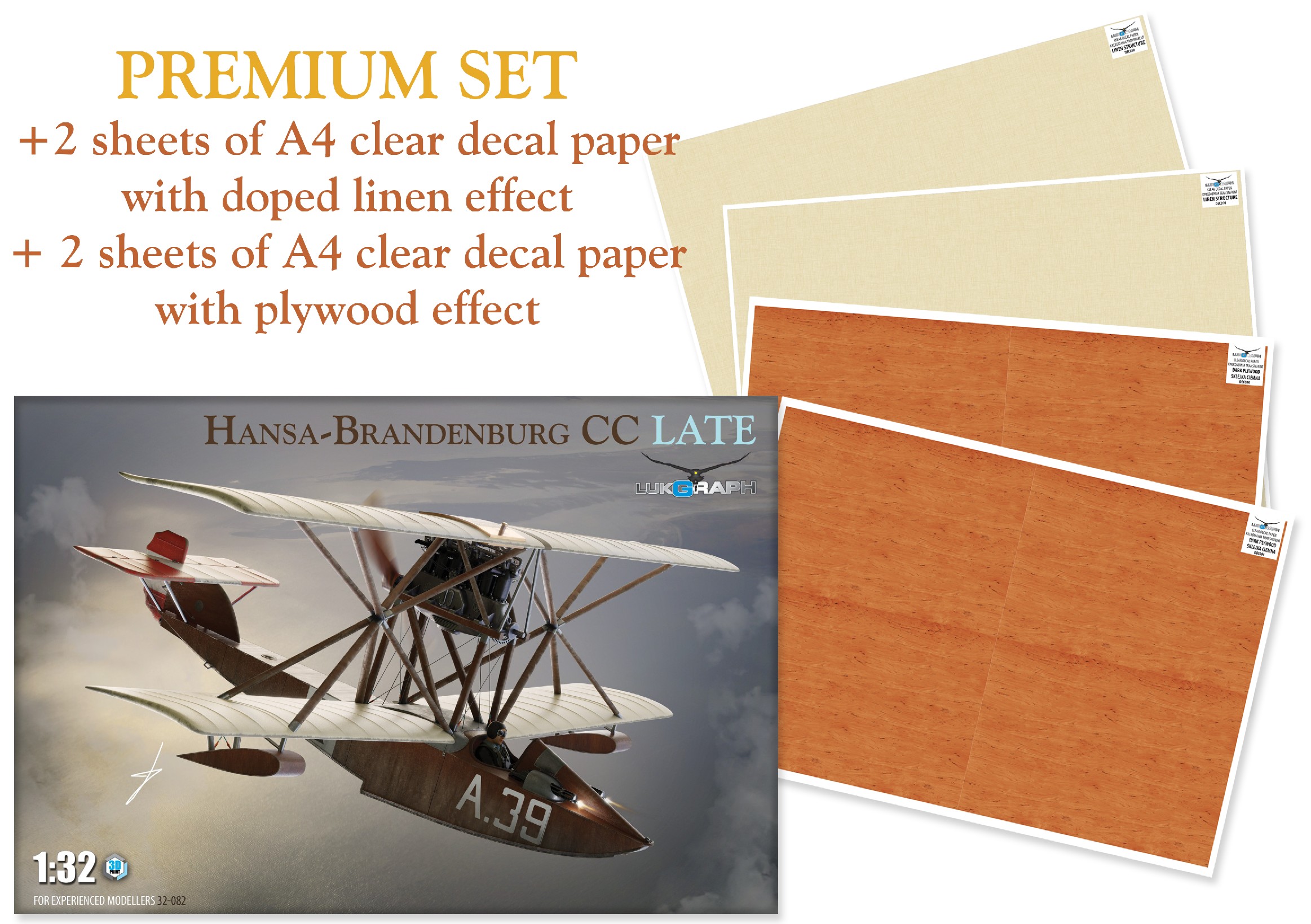
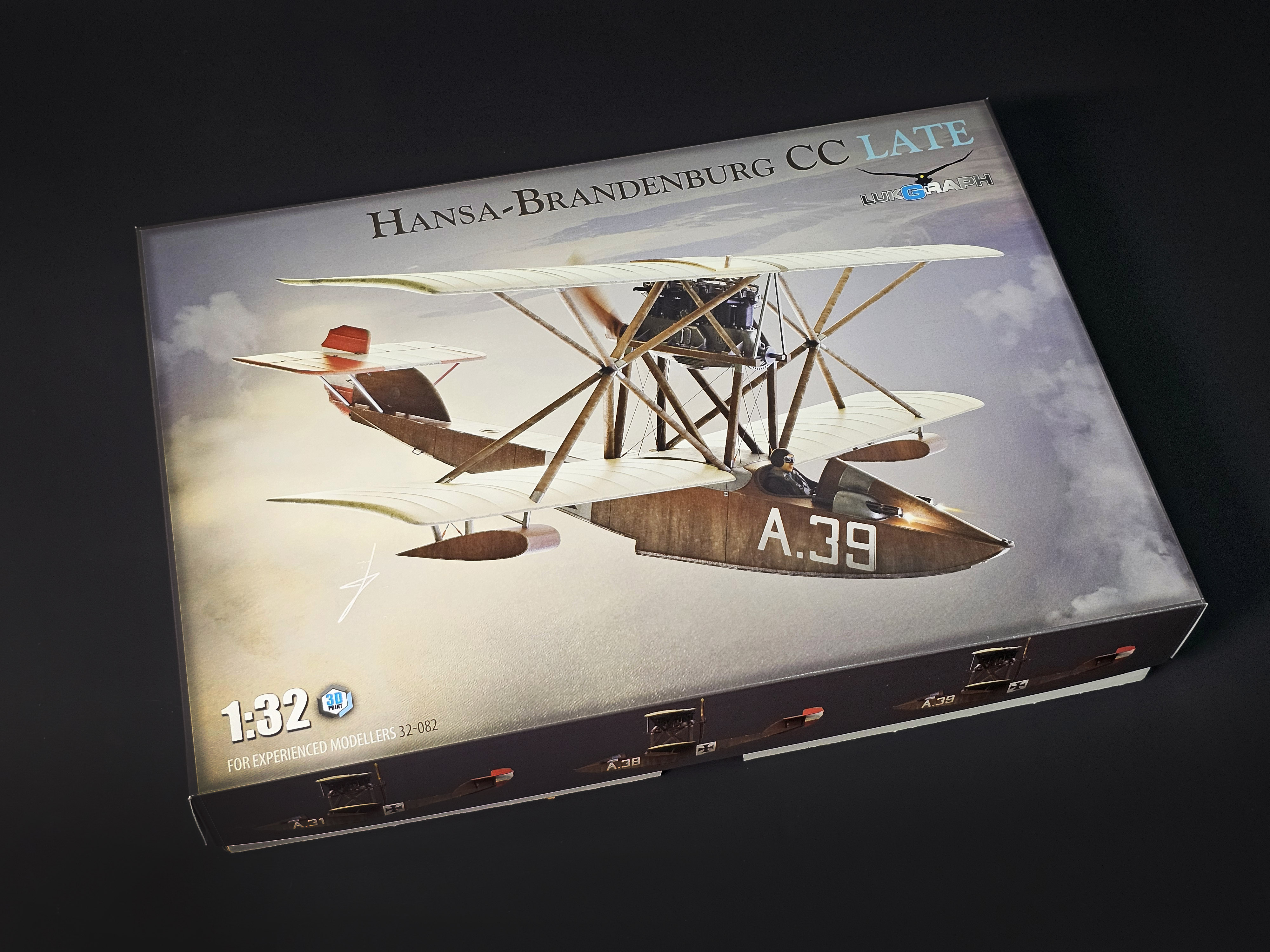
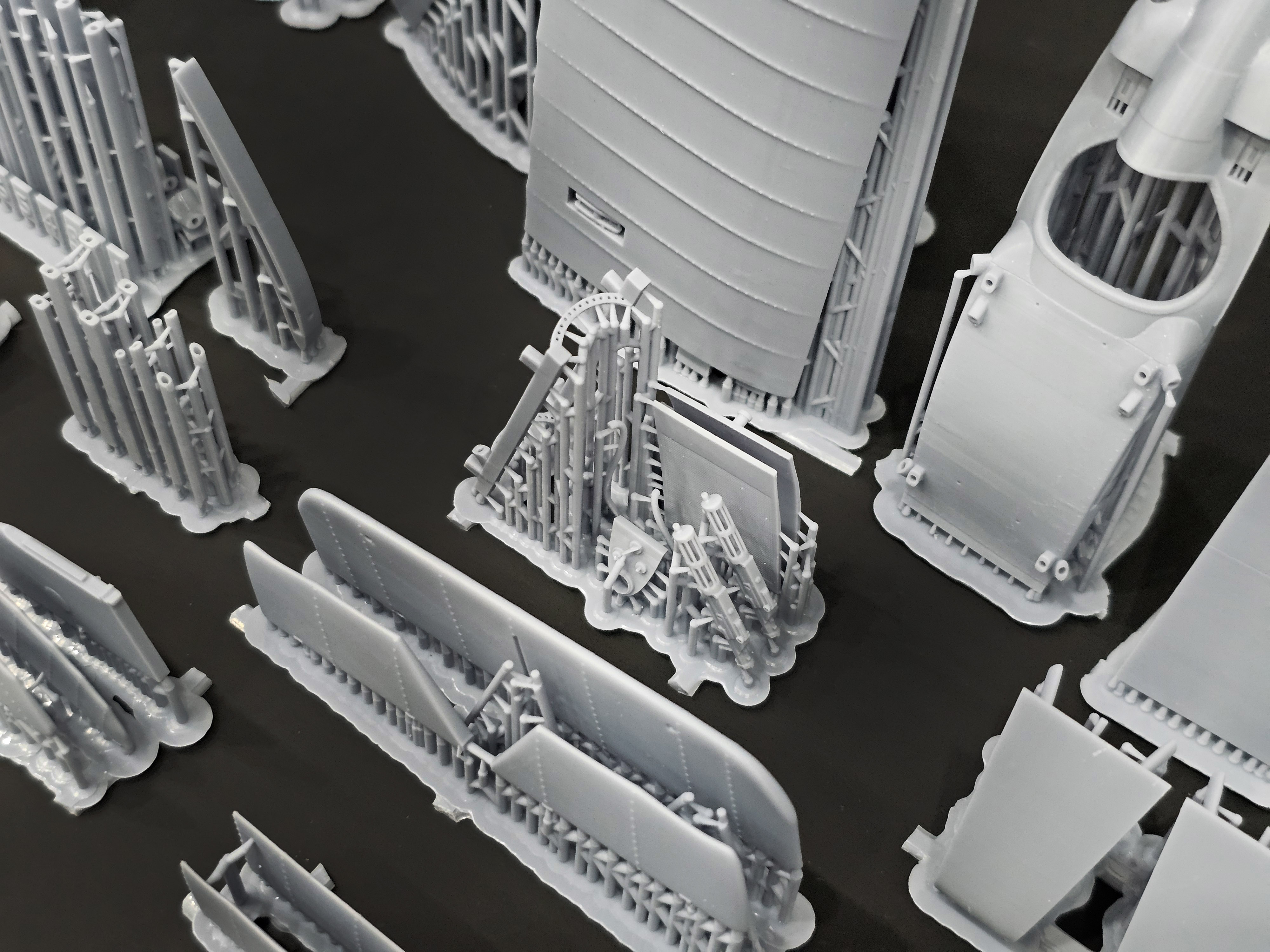
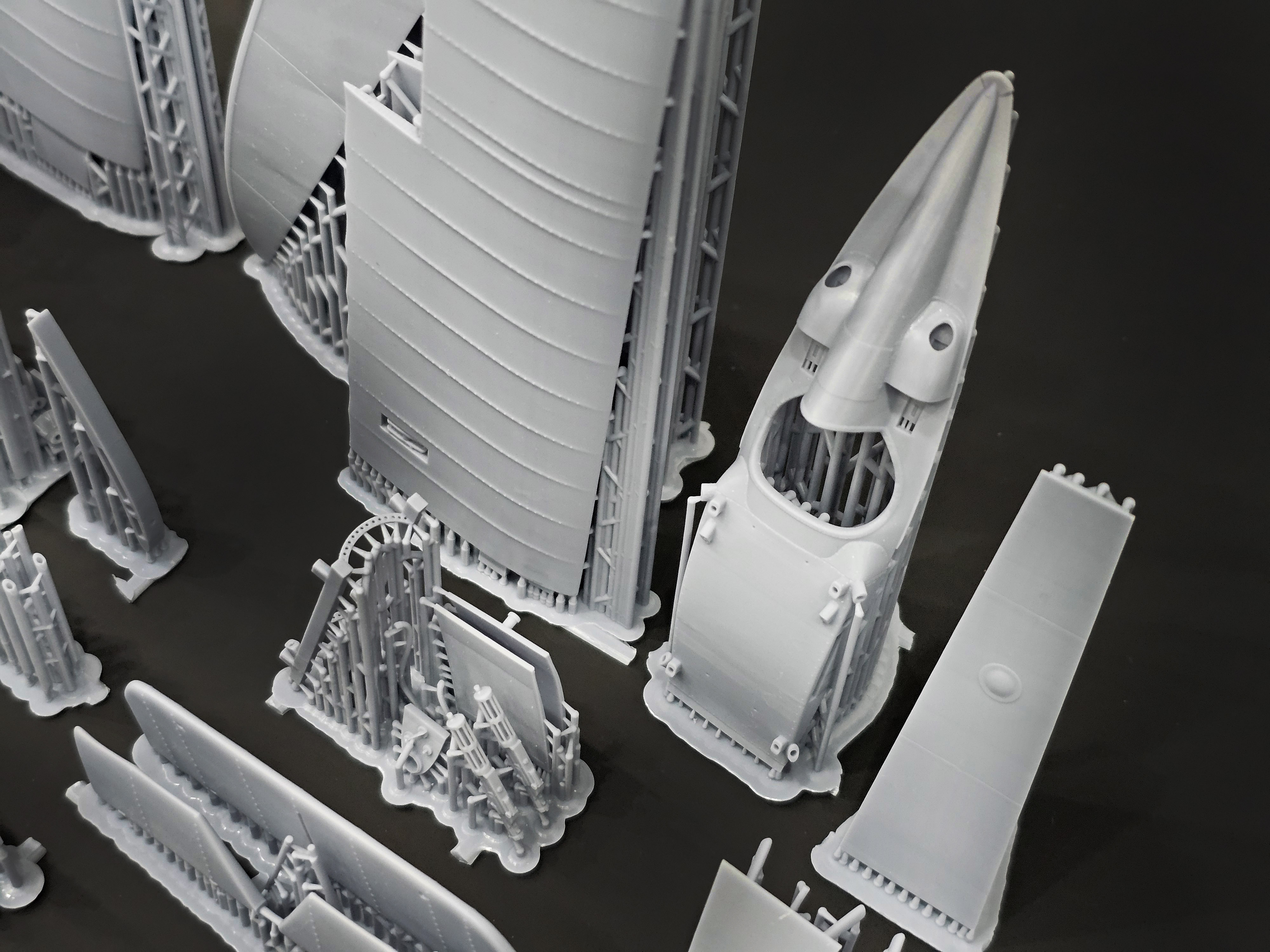
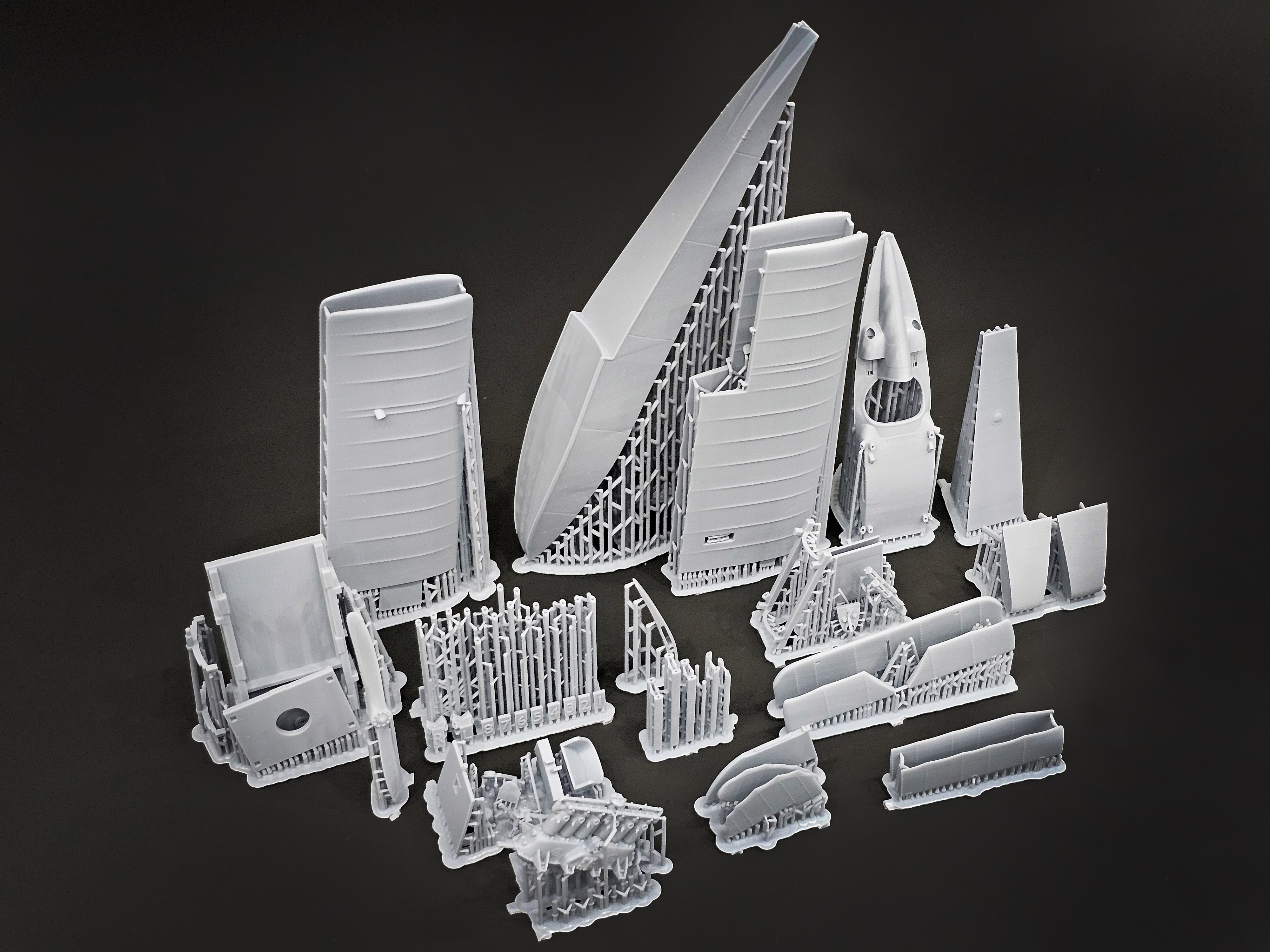
Hansa Brandenburg CC 1:32 Late Pre-order PREMIUM
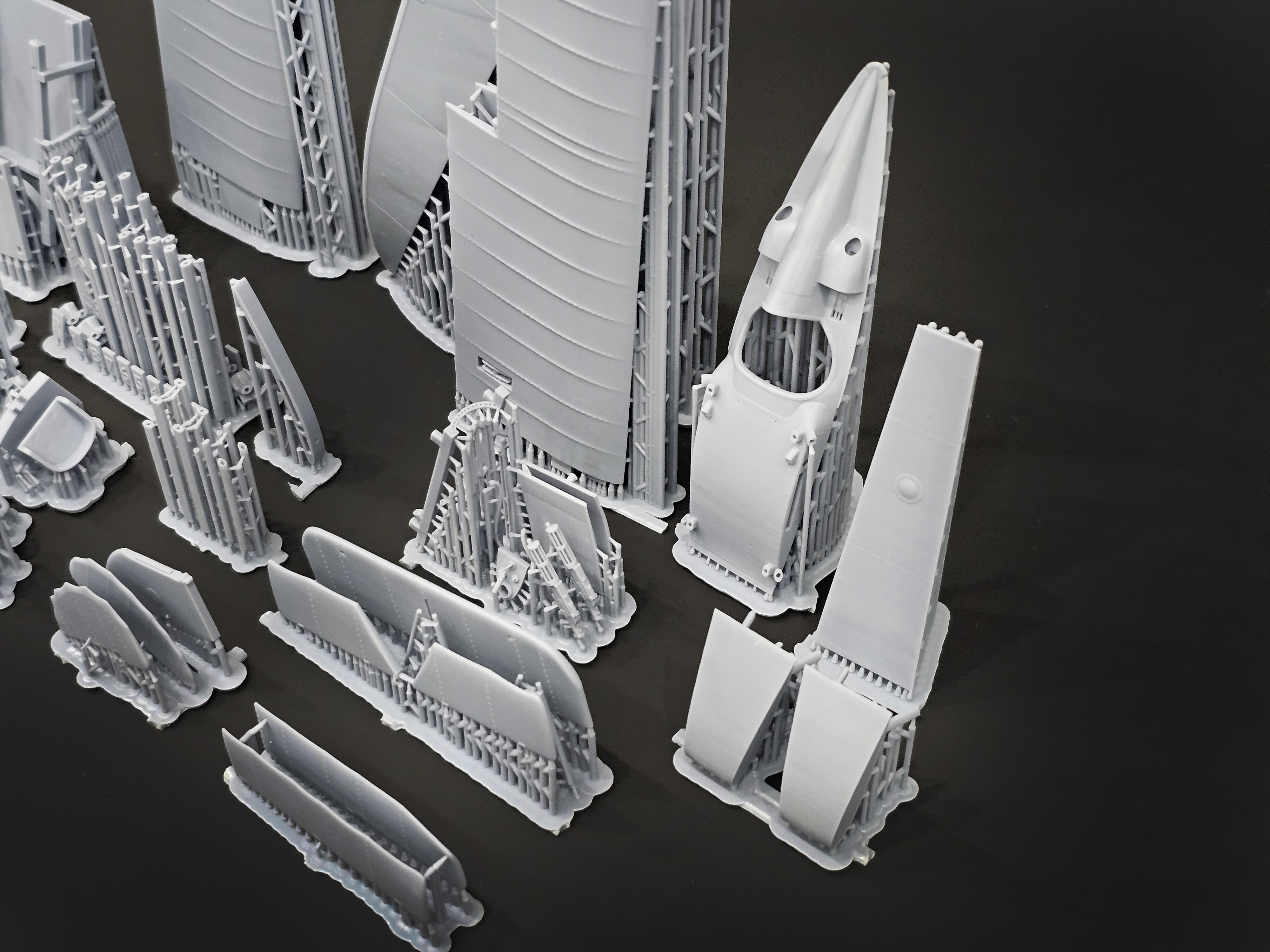
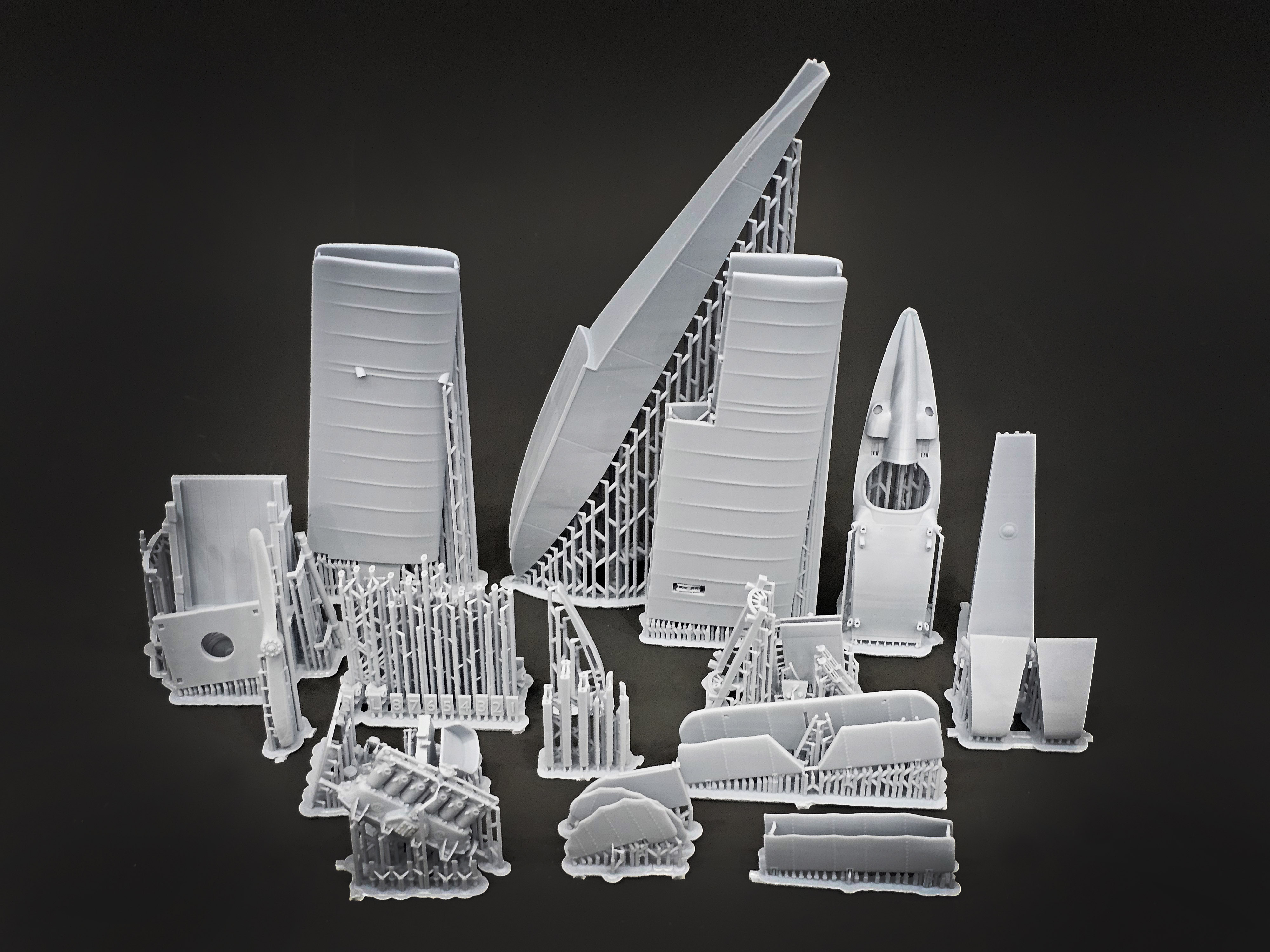
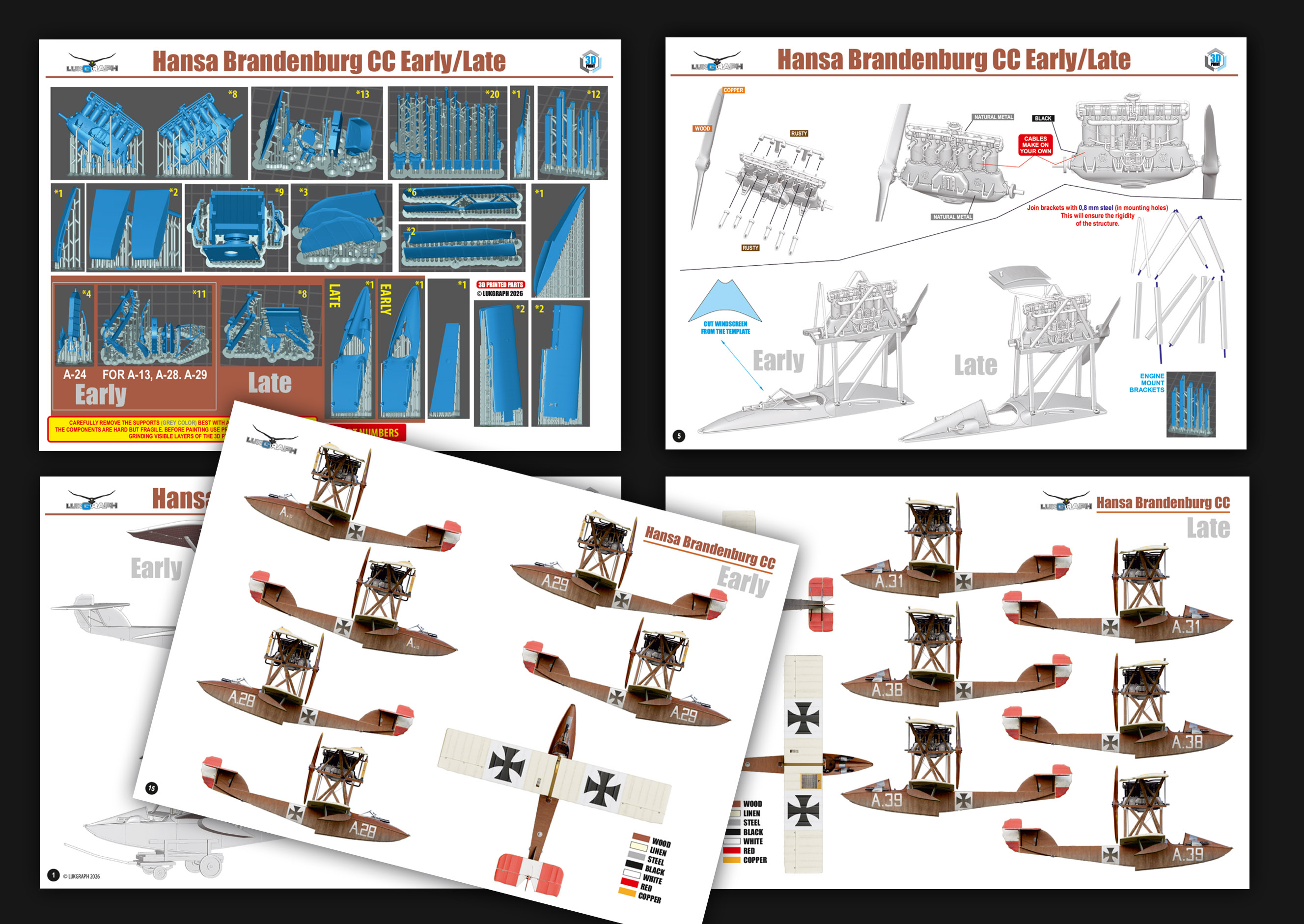
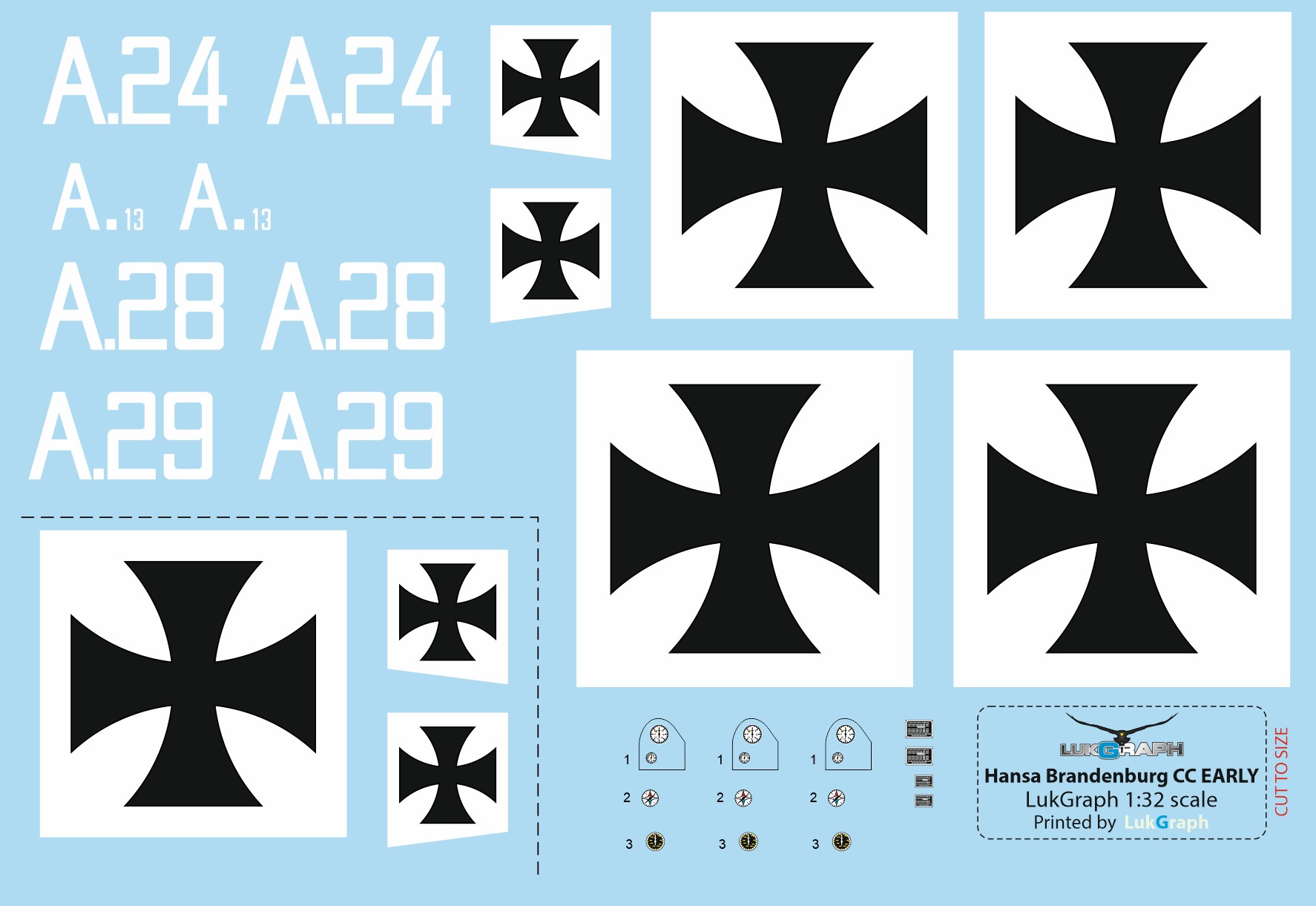
Description
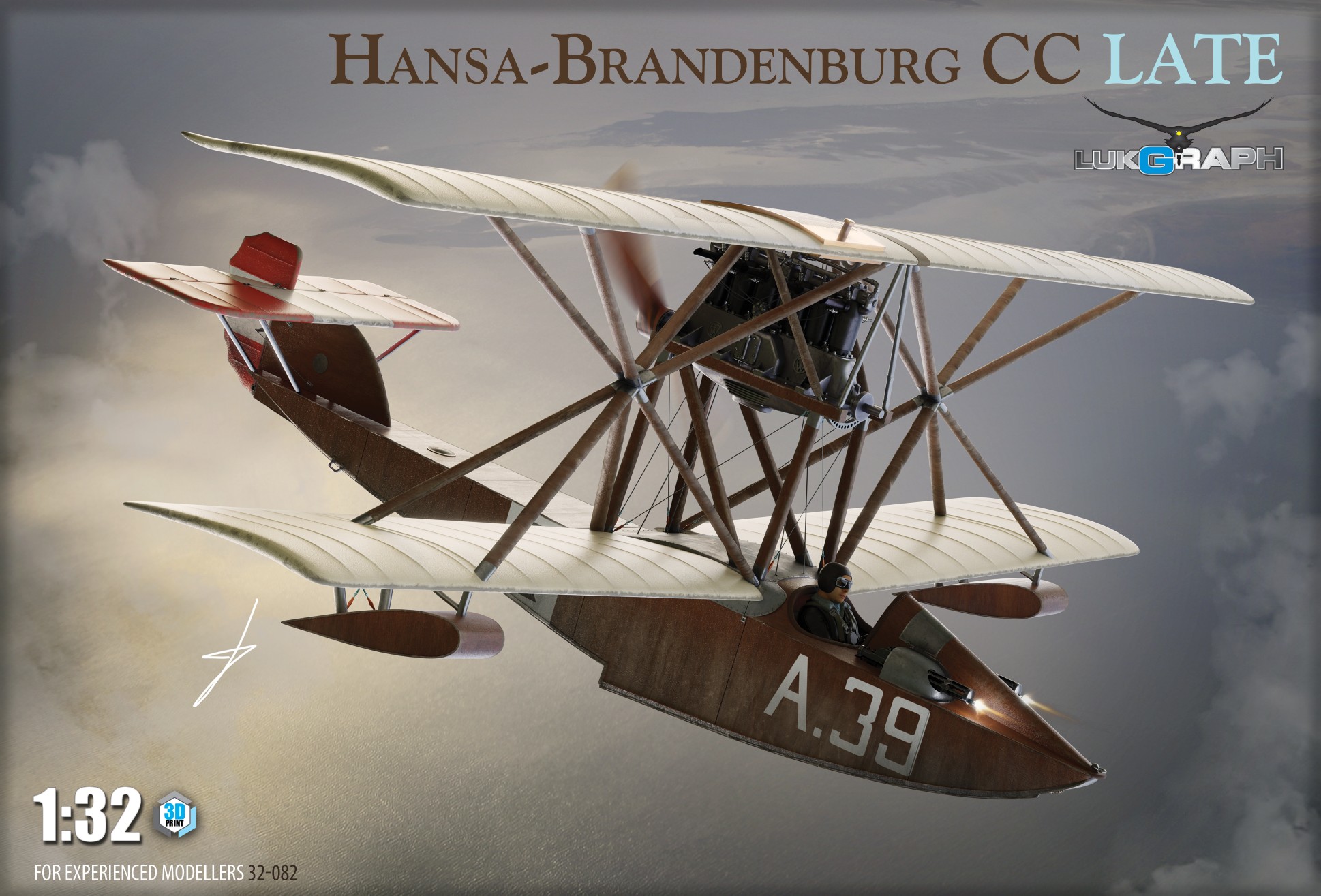
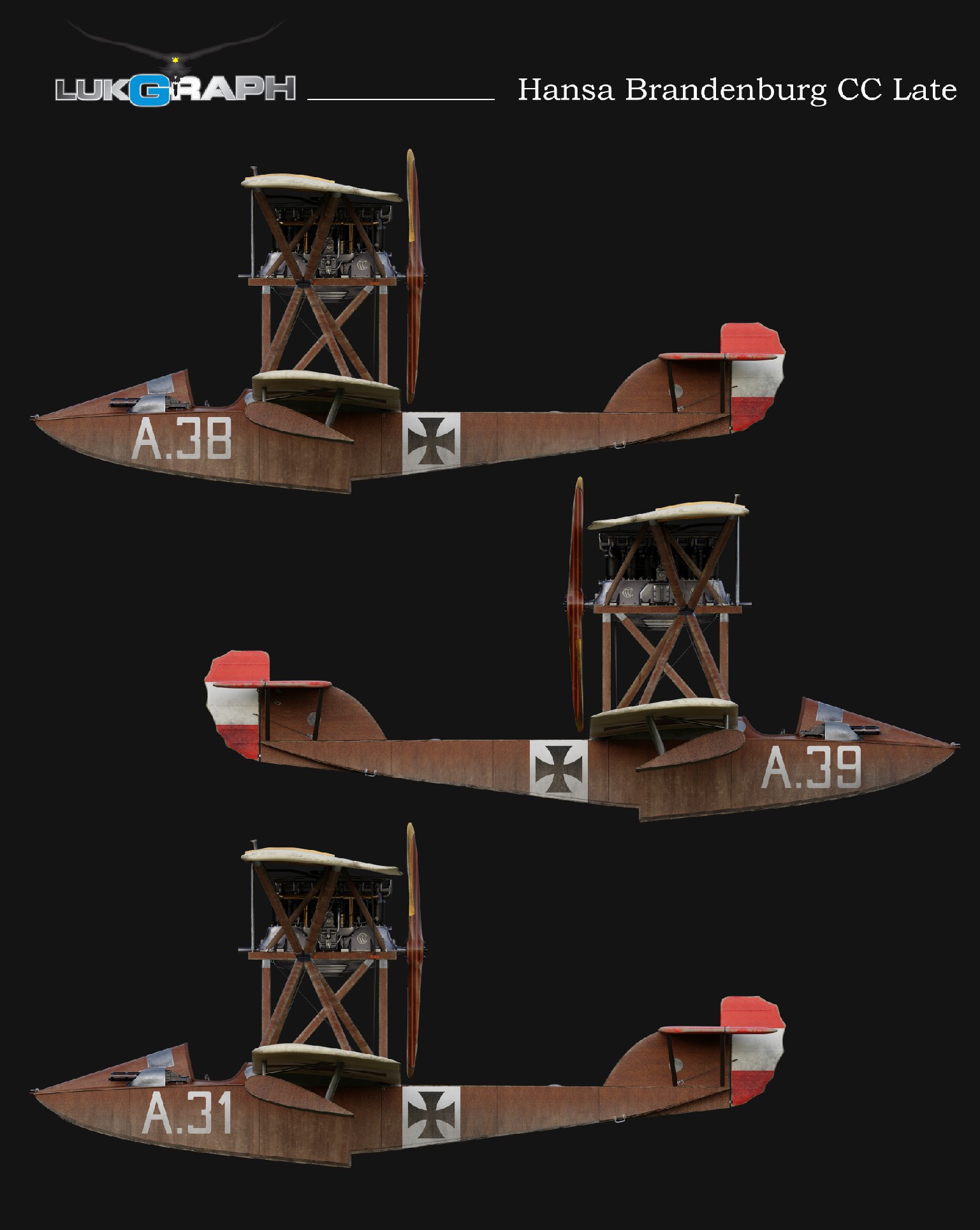
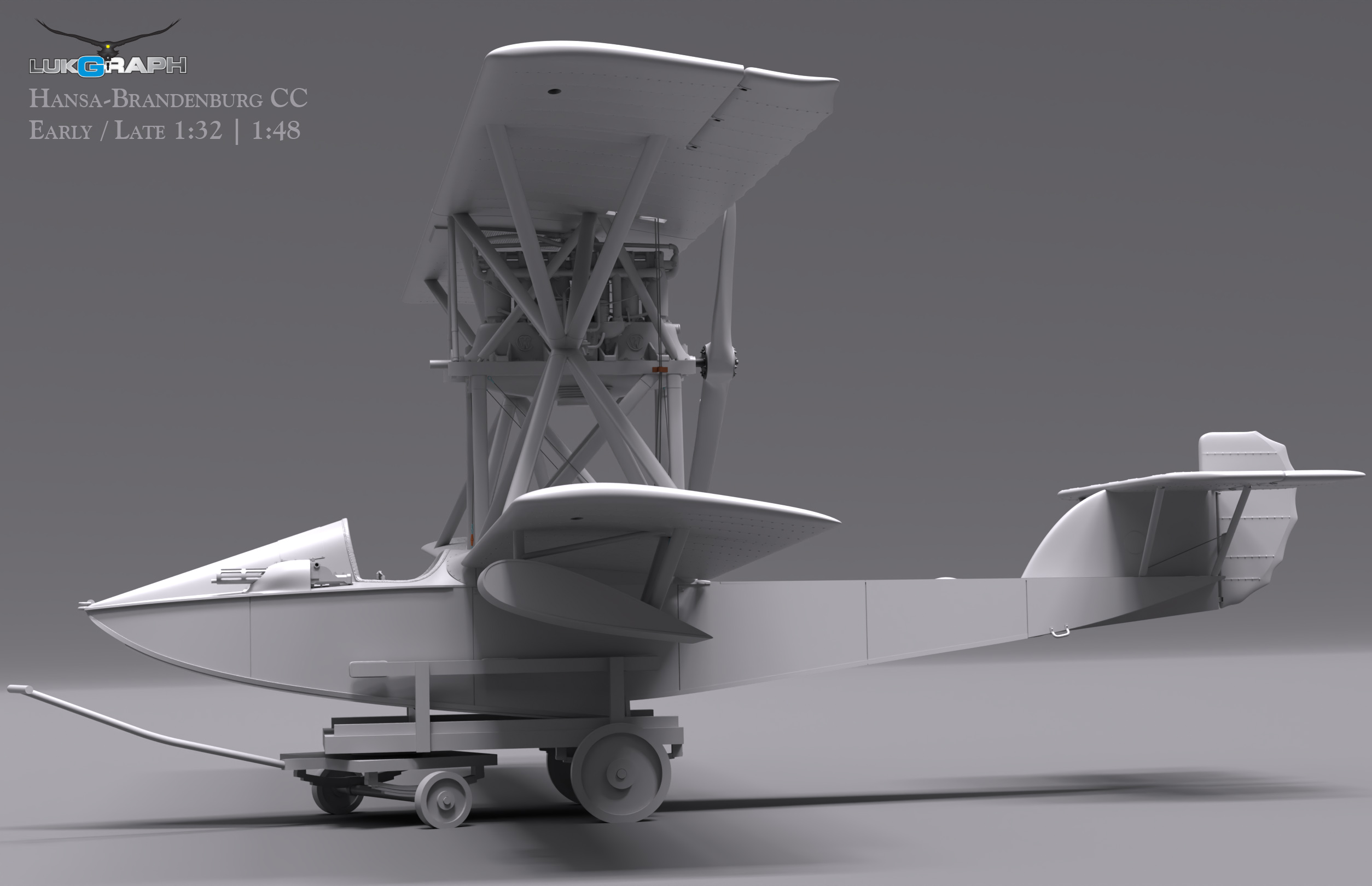
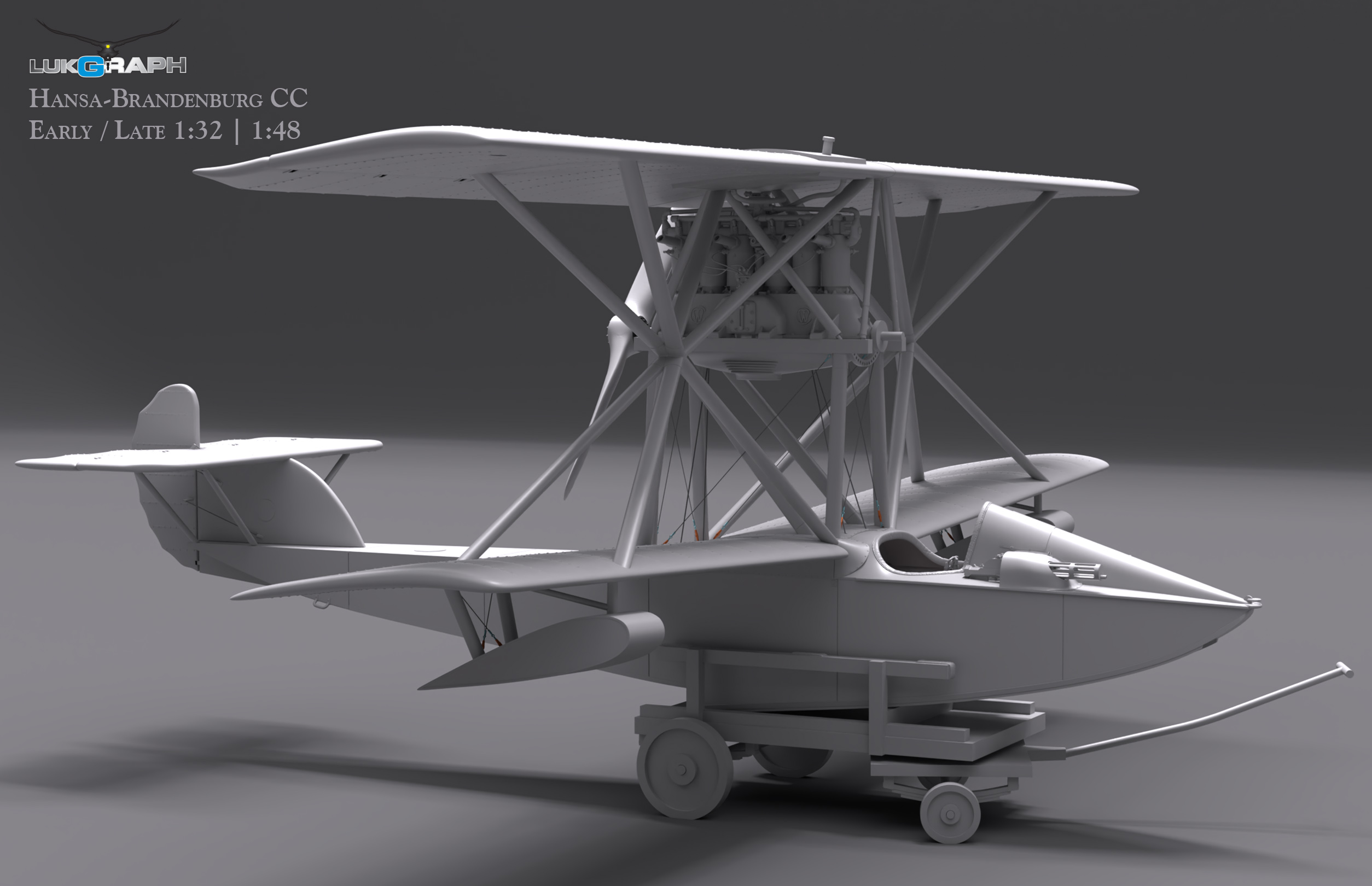
Hansa-Brandenburg CC – Austro-Hungarian Naval Fighter Flying Boat
The Hansa-Brandenburg CC was a single-seat fighter flying boat developed in 1916 by German aircraft designer Ernst Heinkel for the Austro-Hungarian Navy during the First World War. Designed for maritime operations, this distinctive biplane played an important role in the defence of Austro-Hungarian naval bases and ports along the Adriatic coast.
The Austro-Hungarian version was powered by either a 160 hp Austro-Daimler engine or a 180 hp Hiero engine and armed with a single 8 mm Schwarzlose machine gun. Its unusual wing-bracing system, known as the “star-strutter” arrangement, gave the aircraft its characteristic appearance and made it one of the most recognisable designs of the Hansa-Brandenburg family.
A total of 37 Hansa-Brandenburg CC flying boats were delivered to Austria-Hungary. They served with the Austro-Hungarian Navy, providing aerial defence for strategically important coastal installations. The aircraft was also used by the German Imperial Navy, highlighting its significance in naval aviation during the First World War.
With its distinctive engineering, historical importance and strong connection to Austro-Hungarian naval aviation, the Hansa-Brandenburg CC is a fascinating subject for aviation enthusiasts, military history collectors and scale model builders.
Key historical facts:
Country of service: Austria-Hungary
Role: Single-seat fighter flying boat
First flight: 1916
Designer: Ernst Heinkel
Manufacturer: Hansa und Brandenburgische Flugzeug-Werke
Austro-Hungarian production/deliveries: 37 aircraft
Powerplant: 160 hp Austro-Daimler or 180 hp Hiero engine
Armament: One or two (late version) Schwarzlose machine gun
Related products
Friedrichshafen FF.33L 1:32 Polish Service

Decals clear doped linen

Decals light plywood

Decals dark plywood

Decals dark plywood 2

Decals pale blue linen

Decals light grey linen

Decals light plywood 2

Decals linen structure (no color)

Decals Lozenge with linen effect Naval Hex Camo 1

Decals Lozenge with linen effect Naval Hex Camo 2


LOZENGE RIB TAPES 5 COLOR 1:32 scale (white decal paper)

LOZENGE RIB TAPES 4 COLOR 1:32 scale (white decal paper)

RIB TAPES 2 COLOR any scale (white decal paper)

Decals PC10 1:32 scale with linen effect

Decals Light Linen 1:32 scale with linen effect
